
赌神
From global experience to opportunities in China: How Chinese students studying abroad build bridges across cultures_我的网站

一 | (ECNS) — From artificial intelligence reshaping the workplace to the rapid growth of industries such as integrated circuits, aerospace and biomedicine, Chinese students studying abroad are facing an increasingly diverse set of choices about what comes after graduation — and where they want to build their future. Those questions were at the center of a recent gathering of representatives from Chinese student associations at overseas universities, held at the headquarters of the Western Returned Scholars Association (WRSA) in Beijing. Discussions ranged from career opportunities in China to the role students can play in fostering greater understanding across cultures. One practical question ran throughout the event: How can young people with international experience make the most of new opportunities emerging in China? Xu Chen, executive director for campus and international business at Zhaopin.com, described the changing workplace as moving from a “human-driven” model toward “human-AI collaboration” and, increasingly, an “AI-driven” one. Artificial intelligence is not simply changing existing jobs, he said. It is also reshaping the skills employers value, making the ability to work effectively with AI and apply professional expertise to real-world problems increasingly important. China’s changing industrial landscape is opening up new possibilities as well. Xu pointed to integrated circuits, aerospace, biomedicine, high-end equipment manufacturing, industrial software and intelligent connected vehicles as areas offering strong prospects. Emerging fields such as quantum technology, biomanufacturing, hydrogen energy and nuclear fusion could create further opportunities. For Chinese students studying abroad, these trends are creating new links between the skills and perspectives they acquire overseas and the needs of fast-growing industries in China. But careers were only part of the conversation. Another recurring theme was how students living and studying overseas can help bridge cultural gaps through everyday interaction. At a roundtable on cross-cultural communication, returned graduates and representatives of Chinese student associations discussed how students can help their international peers gain a more nuanced understanding of China. Representatives from student organizations in six countries also shared experiences of campus life, community-building and exchanges with local students and communities. Sun Xinglun, vice president of the Association of Chinese Students and Scholars at Yale, said meaningful communication does not always require grand narratives. A celebration of a Chinese festival, a campus cultural event or even an everyday conversation with a classmate can provide a window into China. Rather than simply explaining China to others, students can begin with subjects their peers are genuinely interested in and draw on their own experiences of studying and living abroad. Such personal exchanges can make cross-cultural communication more natural and relatable. Chinese student associations are also taking on broader roles on overseas campuses. Beyond helping new arrivals adjust to university life, many organize academic events, career programs, cultural activities and community initiatives that bring Chinese students into closer contact with their universities and local communities. In doing so, students are not simply participants in campus life. Their experience of moving between languages, social environments and cultural perspectives can put them in a unique position to connect people who might otherwise have few opportunities to interact. For many participants, studying abroad is therefore about more than earning a degree. It is also about learning how different societies work, understanding different ways of thinking and becoming comfortable communicating across cultural boundaries. Whether they eventually return to China or continue their studies and careers overseas, those experiences can become an asset in an increasingly interconnected world. The program also included sharing sessions on overseas study experiences and employment trends for graduates returning to China. Participants later visited an exhibition tracing the more than century-long history of the Western Returned Scholars Association and the experiences of generations of Chinese who studied overseas before returning to contribute to the country’s development. 
 。
。
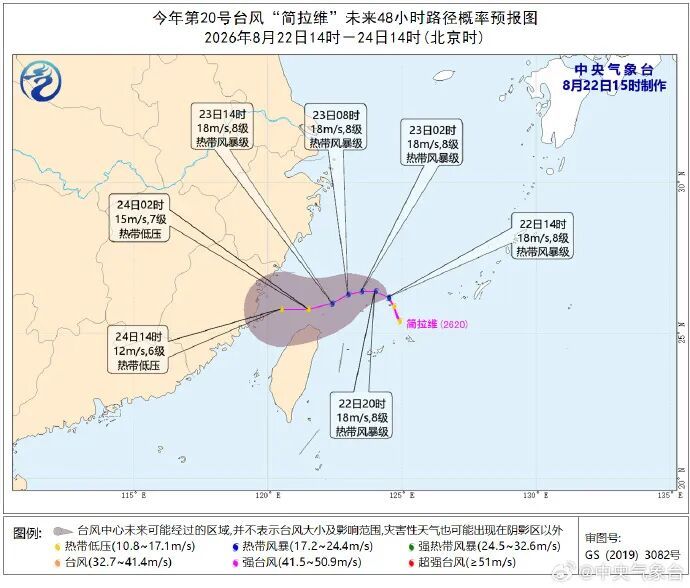
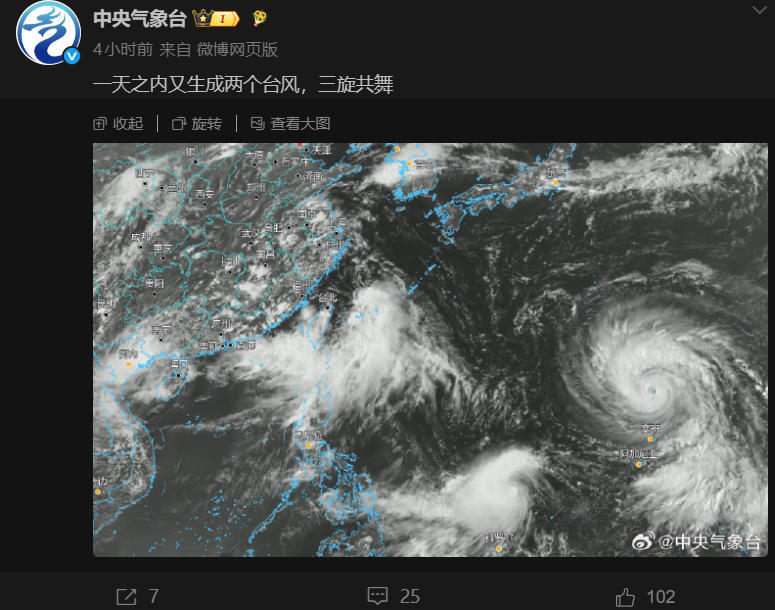 今年第20号台风 “简拉维”(中文名:简拉维;英文名:Gaenari ;名字来源:韩国 ;意义:一种春天开花的灌木,有黄色的花朵;连翘)的中心今天(22日)下午2点钟位于台湾台北市东偏北方向移动约320公里的海面上,也就是北纬26.2度,东经124.5度,中心附近最大风力8级(18米/秒),中心最低气压998百帕,七级风圈半径50-100公里。

二 |
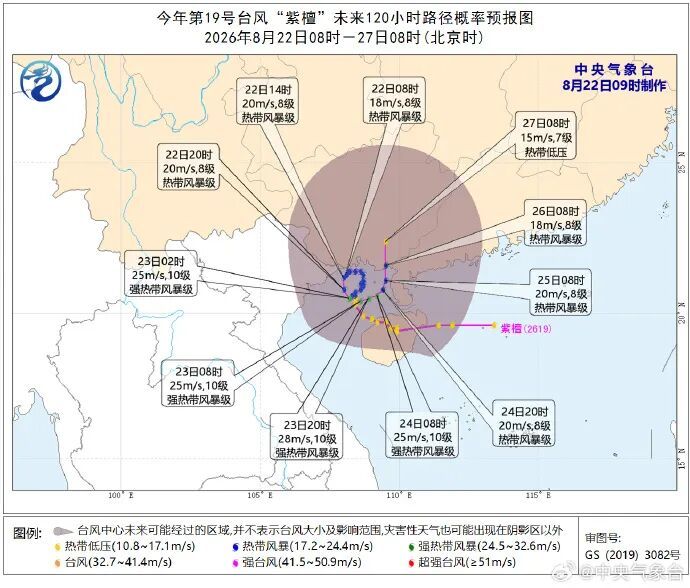
 不到一天前,21日下午,第19号台风“紫檀”于北部湾生成。
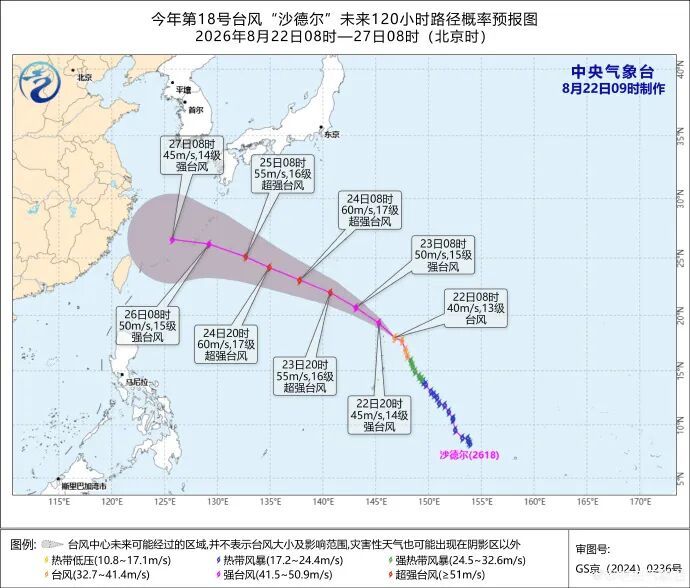
 再加上19日下午于西北太平洋洋面上生成的第18号台风“沙德尔”,目前海上“三旋共舞”。

三 |
Current article:http://8o5j3x6.shangfochengcongshuaizhuang.buzz/02g60/20260826/3660.html
Published on:12:11:00
相关新闻
- 福彩销售网点变身暖心救助驿站,织密基层社会救助便民网络
- 新冠新毒株KP.2在美英等多国迅速传播,或更具传染性
- 日本前高官访华后表态:中国已经强大了太多,未来将代替美国接管世界
- 医疗保障法草案将三审 拟细化异地就医医药费用结算要求
- 工信部:“十五五”时期我国将加快培育“人工智能+”等重大应用场景,工信部:“十五五”时期我国将加快培育“人工智能+”等重大应用场景
- 河南周口堤坝溃口致农田鱼塘被淹,消防昼夜排涝28万立方米
- 聚能人 提本领 促发展——江西以文化融合与渠道创新重塑福彩生态
- 外媒调侃哈里斯演讲:像小孩作业展示,“明显没做过功课”
- 2025重庆车展:比亚迪海豹06EV售10.98万起
- 五輪中継視聴率21.7% 20日朝のフィギュア女子フリー
最后更新
- 苹果:同时播放homepod和iphone是个错误
- 留给葱哥的时间不多了?R星和《GTA6》都高兴的太早
- 非遗迎春·童启新程 | 长沙市天心区教育局幼幼黄兴幼儿园以非遗文化开启新学期,传承中华优秀传统文化
- 大乐透第26081期开5注一等奖
- Rapido Student Discounts: स्टूडेंट्स को रैपिडो की राइड पर मिलेगी 25% की छूट, जानिए कैसे उठा सकेंगे लाभ?
- Snow Man9人が横一列でおそろいポーズ!楽しさ溢れるビジュアルに「みんなかわいい」「いわふか隣同士で最高」「舘様の姿勢が綺麗すぎる」
- 33岁女子涉在兀兰关卡试夺女警配枪 被控后还押心理卫生学院
- Real estate groups urged the Fed to stop rate hikes. Here’s why.
- 一年倒计时,微软Windows7将于明年1月14日完全停止支持。
- 抚顺石化:大干一百天 打赢全年“收官战”
热门新闻
- Google Chrome OS测试新的文件管理器:更像主流桌面
- 星宇股份被曝批量劝退应届生 当地人社局通报
- 我打不了伊朗,还打不了你?三名美军衰败的吹哨人被开除!,天鹰观察,我打不了伊朗,还打不了你?三名美军衰败的吹哨人被开除!
- Palestinian death toll in West Bank surges as Israel pursues militants following Hamas rampage
- 中国外交部长王毅将于下周访问新西兰
- 加美贸易谈判破裂,卡尼宣布对美征收报复性关税
- 迈得医疗:上半年归母净利润亏损1636.29万元,同比由盈转亏
- 男子公开威胁刺杀塞尔维亚总统武契奇,警方紧急出动将其逮捕!
- 安井食品:上半年净利润同比增长21.62% 拟每股派1.733元
- 【仓单】8月26日上期所原油期货仓单较上一日持平